The wildlife is an integral part of the ecosystem, and it’s always a memorable experience seeing animals in their natural habitat. You never know when you might spot a deer wandering down Banff Avenue on your morning jog, or catch an elk grazing by the road on the Bow Valley Parkway.
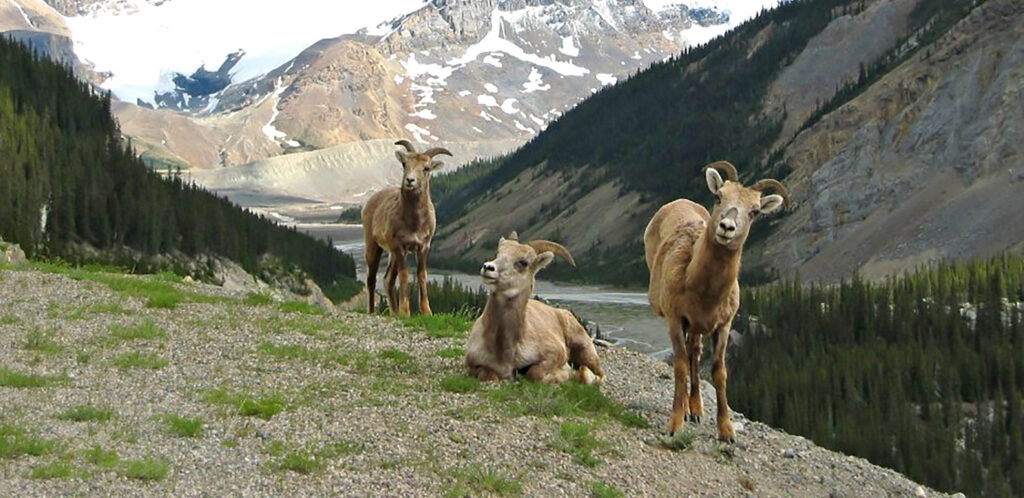
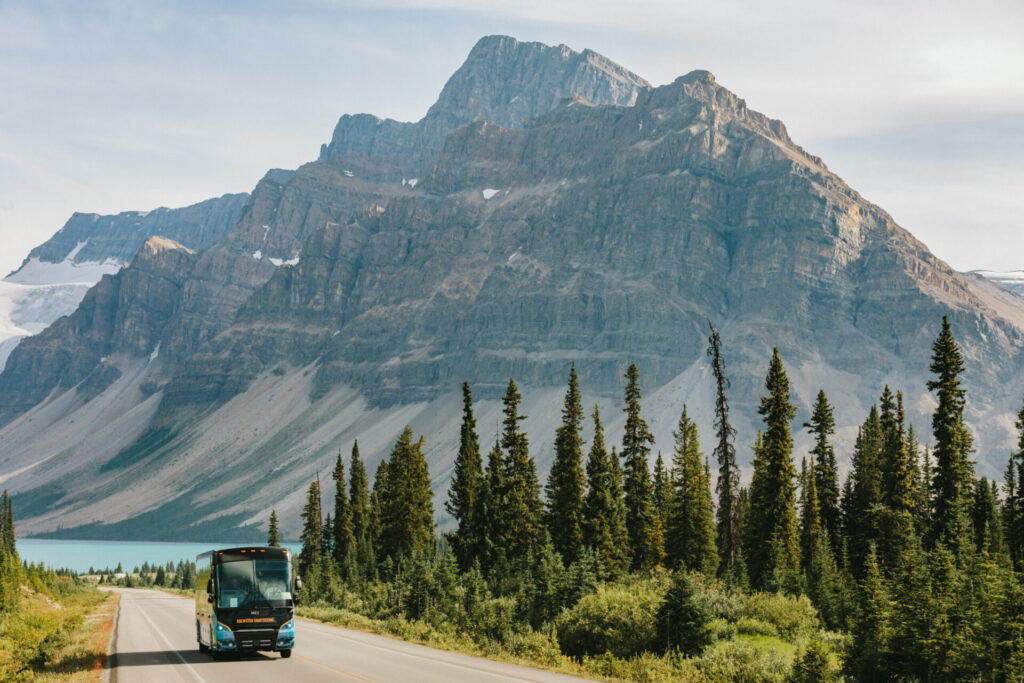
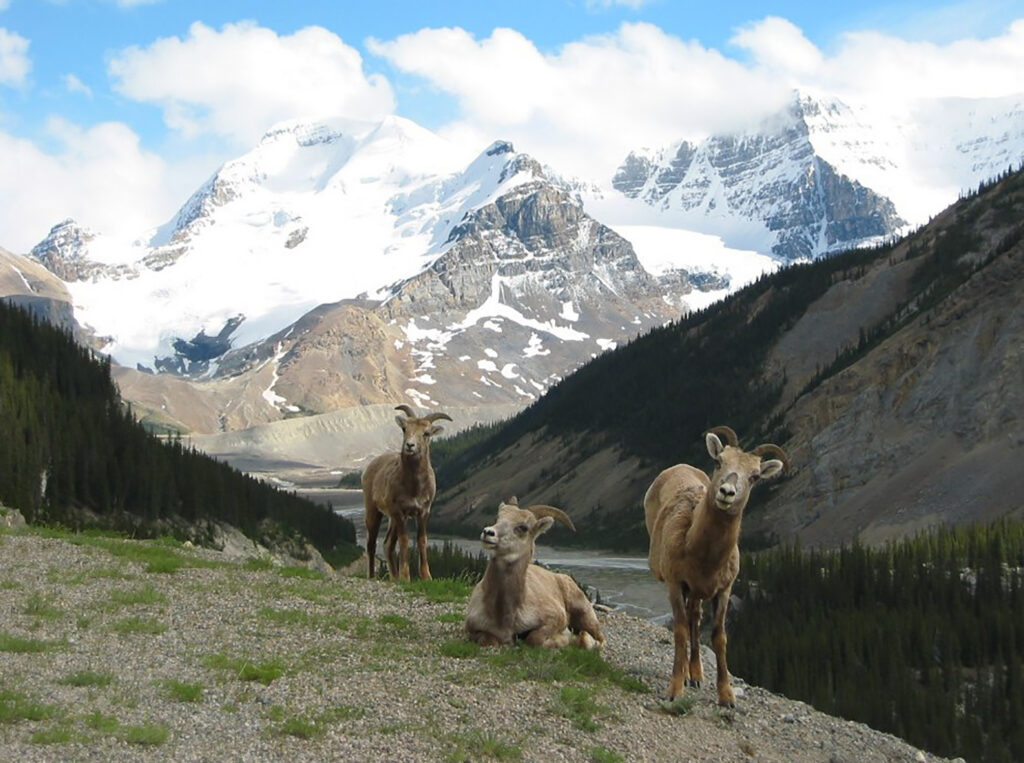
Banff National Park is home to hundreds of diverse species of wildlife. Look to the skies and you may see bald eagles circling overhead, or one of 260 other species of birds that live here. Grizzly bears and black bears roam the peaks and valleys, as well as moose, elk, wolves and cougars. Keep an eye out as you drive through the park’s mountain roads and you might even see bighorn sheep bounding up the hillsides.
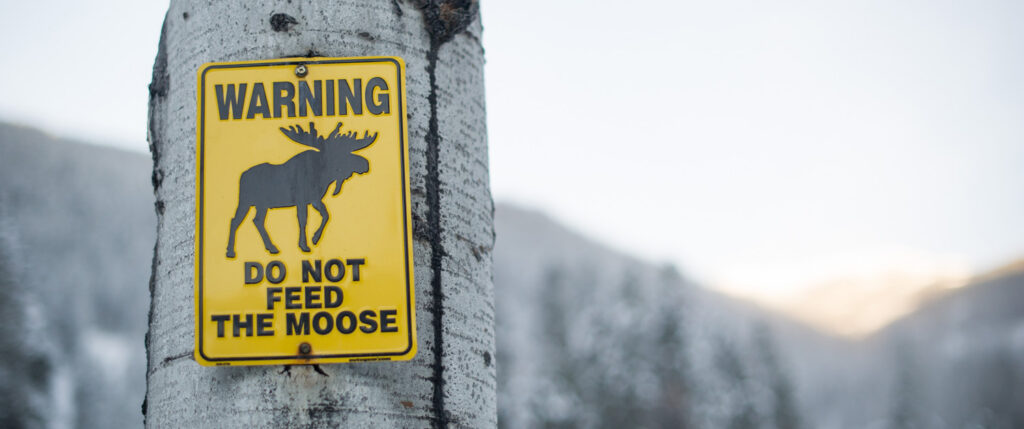
When observing wildlife, it’s important to remember that we are visitors in their home. Be sure to give plenty of space and never give them food. In fact, it’s illegal to feed, touch or even approach wild animals. During certain times of year, areas may see closures to keep both you and wildlife safe.
You’re likely to see different animals depending on the time of year you visit. Bears start their hibernation in the late fall and reappear around the valley floor in the spring. Once the snow melts in the summer months, you’ll see them higher in the peaks before they return to the valley floor again for berries in late summer. Elk rutting (breeding) season is from late August until mid-October, and their calves are born in mid-May to early July. While they are beautiful to admire from afar, elk are more aggressive during these months and it’s important to keep your distance.
As you drive through the park, you’ll spot a number of wildlife bridges and tunnels. These crossings were created to help animals safely connect their habitats and migration routes without having to cross the road, keeping both animals and motorists safe. With 38 underpasses and 6 overpasses, Banff National Park has the most wildlife crossings in the world. By respecting these landscapes and the animals that call them home, we can help keep Banff National Park wild and thriving for many generations to come.