Wild West Adventures from Yellowstone National Park
Experience Yellowstone the way the first pioneers did with a selection of unique adventures. Travel by stagecoach, wagon or horseback and enjoy a traditional cookout dinner. An experience not to be missed!
Stagecoach Adventure
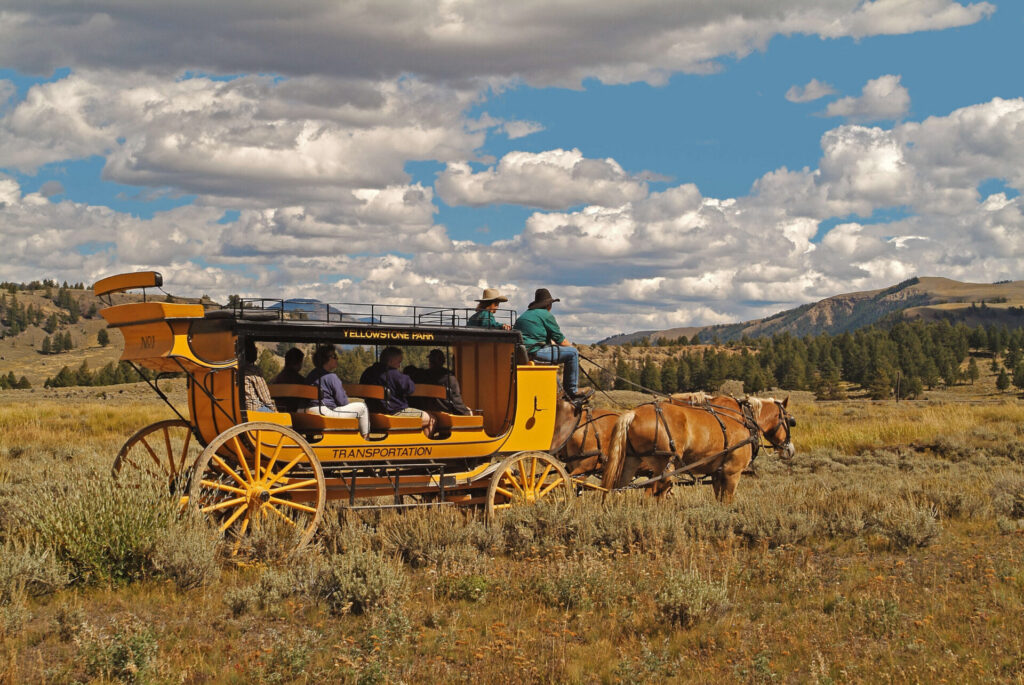
Stagecoaches were once the primary means of transportation for visitors to Yellowstone National Park, with journeys taking several days along the park’s dusty roads. Today, visitors have the opportunity to experience this historic mode of travel aboard replica Tally-Ho stagecoaches, following an old stagecoach route through the sagebrush-covered meadows of Pleasant Valley.
Duration: 1 hour
Wagon Ride
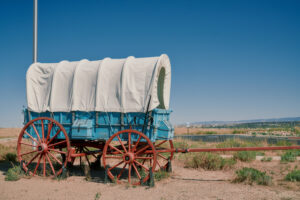
Your cowboy guides will lead your wagon through the sagebrush flats, sharing fascinating insights about Pleasant Valley and perhaps even entertaining you with a captivating cowboy tale or two. The ride follows the same road as the stagecoaches to the cookout site. The wagons are canvas-covered with padded bench seats and pulled by two draft horses.
Duration: 45 minutes
Saddle Up Horseback Ride
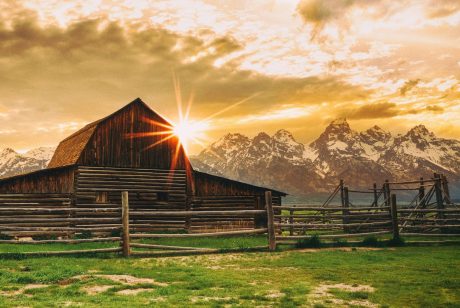
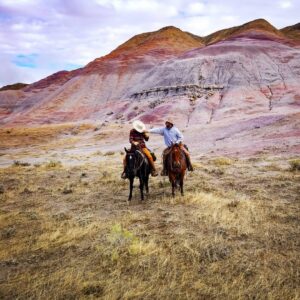
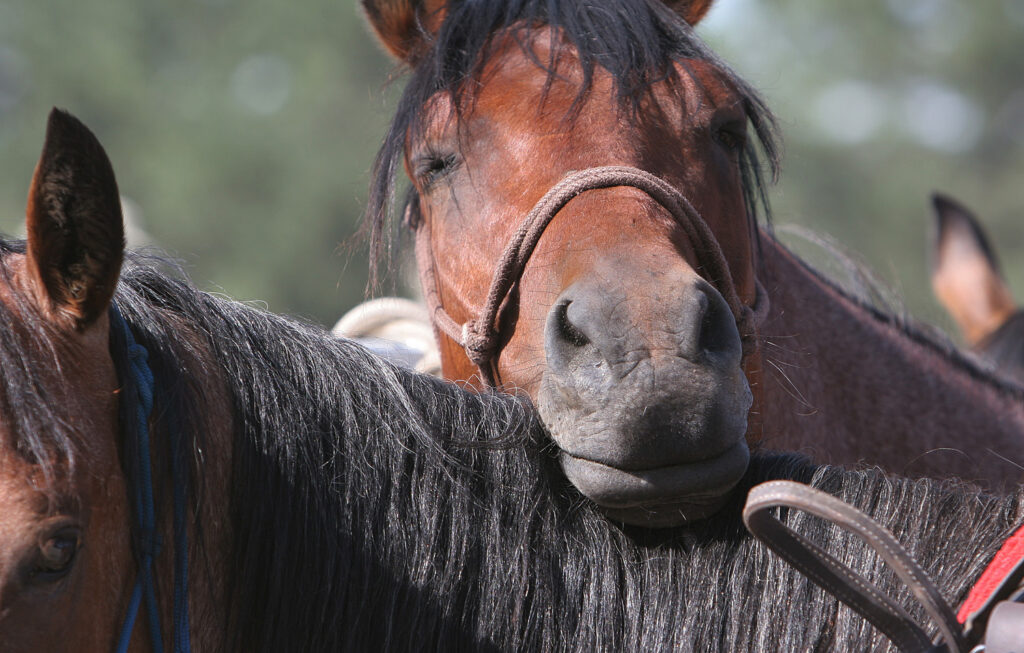
The Roosevelt horseback rides guide guests through Yellowstone’s scenic backcountry, featuring sagebrush flats, wooded hillsides, streams, and landmarks such as Lost Lake, the Petrified Tree, and Pleasant Valley. These rides showcase the park’s diverse landscapes and are also available in combination with the Old West Dinner Cookout.
Duration: 1 and 2 hour ride available
Old West Dinner Cookout
Experience the spirit of the Old West with the unforgettable Old West Dinner Cookout. After arriving at Yancy’s Hole, either by horseback or stagecoach, guests are welcomed by the enticing aroma of traditional cowboy-style cooking. Set against the tranquil landscape of Pleasant Valley, the cookout features a hearty western meal, including grilled beef steaks, Roosevelt’s signature baked beans, and a variety of classic side dishes. Following dinner, guests can relax with a cup of campfire-brewed cowboy coffee while enjoying live music performed by a singing cowboy. Children can join in the fun with activities such as roping a wooden cow or visiting the friendly draft horses, making it a memorable evening for the entire family.
Contact us for the operating schedule and pricing. Transportation to the departure points is not included.